Green manufacturing trends in aluminum metal casting
Wiki Article
Checking out the Conveniences and Applications of an Aluminum Foundry in Modern Manufacturing
Aluminum foundries play a crucial function in modern manufacturing. Their ability to generate lightweight yet durable elements is specifically valuable in markets such as auto and aerospace. The usage of ingenious spreading strategies further boosts performance and accuracy. As the demand for lasting production methods expands, the significance of light weight aluminum foundries remains to rise. What particular advantages do these facilities use, and just how are they forming the future of production?The Adaptability of Aluminum in Production
Aluminum, a light-weight steel, has actually ended up being a foundation in contemporary production because of its extraordinary adaptability. This adaptability enables light weight aluminum to be made use of in different sectors, ranging from automotive to aerospace and building and construction. Its capability to be conveniently formed and formed makes it suitable for creating detailed elements and structures - Aluminum Casting. Furthermore, aluminum can be alloyed with other metals, enhancing its buildings and increasing its applications
In the vehicle field, light weight aluminum is preferred for its strength-to-weight ratio, adding to fuel effectiveness. In aerospace, its rust resistance and light-weight nature are important for airplane efficiency. Furthermore, light weight aluminum's recyclability includes environmental advantages, straightening with sustainable production practices.
Trick Benefits of Using Aluminum Foundries
Aluminum foundries provide considerable benefits in production, mainly due to the light-weight nature of light weight aluminum, which enhances product efficiency and effectiveness. In addition, these foundries present an economical approach to manufacturing, allowing companies to decrease expenditures while maintaining high-quality standards. Recognizing these advantages is vital for business wanting to maximize their production procedures.Lightweight Product Perks
Light-weight products play a crucial function in modern-day manufacturing, and light weight aluminum foundries exhibit the benefits of using such products. Aluminum provides an amazing strength-to-weight ratio, allowing suppliers to create components that are both sturdy and easy to manage. This reduces the overall weight of products, which can improve efficiency in different applications, from automotive to aerospace. Furthermore, the light-weight nature of aluminum adds to improved fuel performance in lorries, as lighter components require less energy to move. Furthermore, light weight aluminum's resistance to deterioration expands the life expectancy of elements, making them suitable for lasting use. Overall, the advantages of lightweight materials like light weight aluminum are considerable, driving innovation and efficiency in manufacturing processes throughout several industries.
Cost-Effectiveness in Manufacturing
While numerous materials are offered for manufacturing, the cost-effectiveness of aluminum foundries stands out as a vital advantage in manufacturing. Aluminum is reasonably economical and plentiful, decreasing resources prices significantly. The performance of contemporary aluminum foundries allows for high-volume production with minimal waste, adding to lower general expenses. The rapid solidification process in aluminum spreading not just accelerates manufacturing yet likewise lessens power intake contrasted to other steels. Furthermore, the recyclability of light weight aluminum contributes to its cost-effectiveness, making it possible for suppliers to reuse scrap product without endangering quality. In general, the financial benefits of using light weight aluminum foundries make them a compelling selection for manufacturers looking for to optimize production costs while keeping high requirements of high quality and performance.Applications of Aluminum Foundries Across Industries
Aluminum foundries play a crucial function in various markets, specifically in vehicle and aerospace markets. Advancements in the automobile industry have brought about lightweight elements, enhancing fuel effectiveness and performance. Similarly, aerospace element manufacturing benefits from light weight aluminum's strength-to-weight proportion, making it crucial for sophisticated aircraft styles.Automotive Sector Innovations
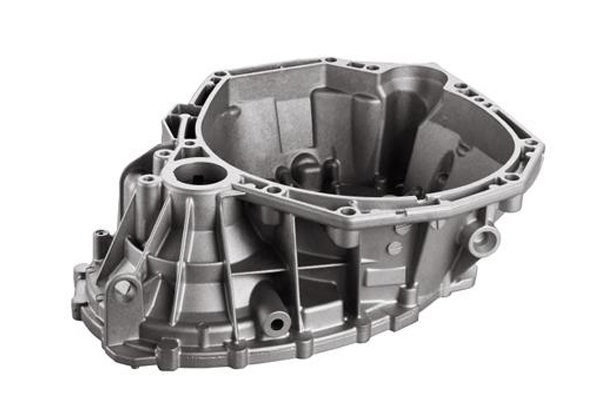
A considerable shift towards aluminum in the automobile industry has changed automobile design and manufacturing procedures. This lightweight product improves gas effectiveness and reduces greenhouse gas exhausts, aligning with modern-day ecological requirements. Aluminum foundries play an essential duty in producing components such as engine blocks, framework, and body panels, advertising a structured production process with precision spreading methods. Technologies in light weight aluminum alloys have actually additionally improved toughness and durability, making vehicles much safer while maintaining performance. In addition, the recyclability of light weight aluminum sustains sustainability campaigns, enabling the advancement of closed-loop manufacturing systems. As automakers embrace these developments, the assimilation of aluminum continues to drive development, cultivating the production of lighter, much more efficient vehicles that meet consumer demands and regulative needs.Aerospace Component Production
The aerospace sector significantly counts on aluminum foundries for the manufacturing of vital elements that require both light-weight attributes and high strength. Aluminum alloys, recognized for their excellent corrosion resistance and exhaustion toughness, are optimal for producing parts such as airplane frames, engine elements, and architectural supports. Factories use sophisticated spreading methods, including die spreading and financial investment casting, to accomplish specific geometries and surface coatings vital for aerospace applications. This process not only improves performance yet also adds to sustain performance and total aircraft safety. Furthermore, with the growing trend toward sustainable production, light weight aluminum foundries are Aluminum Casting adopting environment-friendly methods, further strengthening their function in the aerospace industry. As need for ingenious aerospace solutions increases, light weight aluminum foundries will certainly proceed to play a necessary function in component production.Cutting-edge Techniques in Aluminum Casting
While typical techniques of aluminum spreading have actually long been fundamental in production, recent innovations are improving the landscape. Methods such as 3D printing and additive manufacturing are changing the production process, enabling complex geometries that were previously unattainable. These developments allow rapid prototyping and decrease lead times, improving effectiveness in item development. Furthermore, stress die casting has actually seen enhancements, with improved automation and accuracy, causing higher-quality parts with much less waste.Moreover, the usage of computer simulation software program assists in better mold layout and process optimization, lessening defects and improving yield. Advancements in alloy solutions have actually also arised, causing materials that boast exceptional strength-to-weight ratios and enhanced efficiency qualities. These methods reflect a change in the direction of even more dexterous and receptive production settings, positioning light weight aluminum foundries to meet the needs of modern-day sectors while maintaining competitiveness in a rapidly advancing market
Ecological Effect and Sustainability of Aluminum Foundries
Over the last few years, several aluminum foundries have actually begun focusing on environmental sustainability as a core facet of their operations. These centers purpose to decrease their carbon footprint via various campaigns, consisting of the recycling of light weight aluminum scrap, which greatly decreases energy intake and waste. The recycling process calls for approximately 95% much less energy contrasted to key light weight aluminum production, therefore lowering greenhouse gas exhausts.In addition, innovations in shop innovations have brought about improved power effectiveness and minimized exhausts during casting procedures. Several foundries are likewise adopting green practices by utilizing renewable resource resources, such as solar and wind power, to fulfill their energy needs.
Additionally, the execution of rigid environmental laws has actually urged foundries to invest in cleaner modern technologies and waste administration systems. By concentrating on sustainability, light weight aluminum foundries not just improve their functional efficiency yet likewise contribute positively to the setting, lining up with worldwide initiatives to advertise sustainable production techniques.
Future Trends in Aluminum Foundry Innovation
Exactly how will developments in innovation form the future of light weight aluminum foundries? Arising modern technologies such as automation, expert system, and additive manufacturing are set to reinvent aluminum foundry procedures. Automation will enhance efficiency, lowering labor expenses and decreasing human error. AI-driven analytics can optimize manufacturing procedures, guaranteeing better quality assurance and anticipating upkeep.The combination of additive production can facilitate the manufacturing of complicated geometries that traditional methods may struggle to attain. This will allow foundries to create lighter and much more detailed designs, accommodating advancing industry needs.
Regularly Asked Inquiries
What Is the Regular Life Expectancy of Aluminum Cast Products?
The common lifespan of aluminum actors products differs, typically varying from 10 to 50 years, depending upon aspects such as environmental problems, worldly high quality, and application. Correct upkeep can significantly expand their resilience and efficiency.Just How Do Aluminum Foundries Make Sure Quality Assurance?
What Are the Precaution in Aluminum Foundries?
Aluminum foundries carry out security actions such as correct ventilation, personal safety devices, routine safety and security training, and devices upkeep. These practices aim to reduce hazards associated with molten metal, making certain a much safer working environment for staff members.Can Aluminum Be Recycled After Casting?
Yes, aluminum can be reused after casting. The recycling process keeps its quality, making it a lasting choice. This capacity to reuse light weight aluminum considerably minimizes power usage and ecological effect, advertising a round economic climate in manufacturing.What Skills Are Needed to Operate In an Aluminum Foundry?
Working in a light weight aluminum foundry requires skills such as metalworking, understanding of casting procedures, focus to security procedures, problem-solving capabilities, teamwork, and knowledge with running equipment. These competencies ensure reliable manufacturing and premium results.Aluminum foundries use substantial advantages in manufacturing, largely due to the light-weight nature of aluminum, which enhances item performance and performance. Lightweight products play an essential duty in modern-day production, and light weight aluminum foundries exhibit the advantages of using such materials. While several products are available for manufacturing, the cost-effectiveness of light weight aluminum foundries stands out as a key benefit in production. Aluminum foundries play a vital role in creating elements such as engine blocks, chassis, and body panels, advertising a streamlined manufacturing process via precision casting methods. Furthermore, with the growing trend towards lasting manufacturing, aluminum foundries are taking on environment-friendly techniques, even more strengthening their function in the aerospace industry.
Report this wiki page